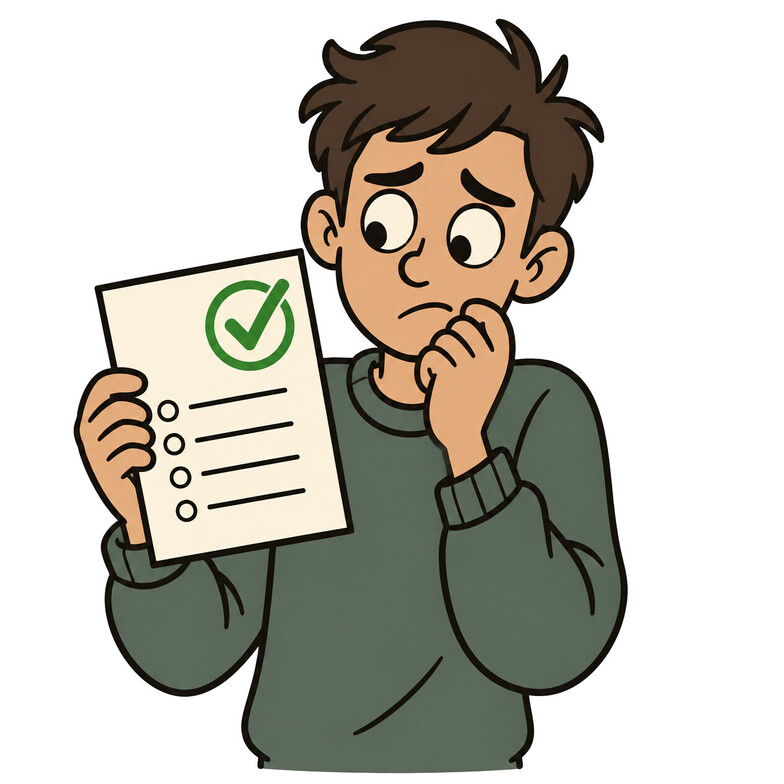
What is your good enough?
Is that just trying? Can it be a mix of success and failure? Or is only a successful outcome?
The ability to intrinsically recognize our ‘good enough’ supports self-esteem and making aligned choices.
Furthermore, can ‘good enough’ be something we feel and know?
What is ‘good enough’
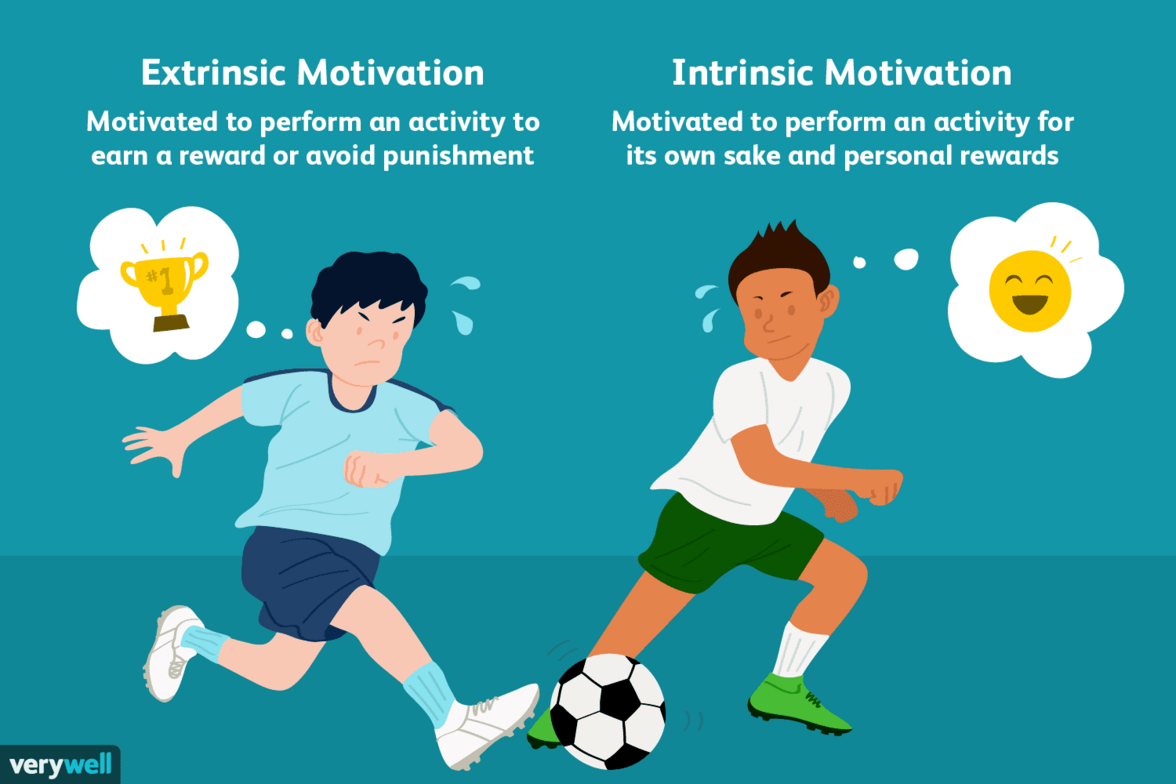
In my work I describe ‘good enough’ as doing the best we can with what we know in the circumstances at the time. And as time continues and knowledge enhances, we can make new decisions along the way. As humans are infallible, the ‘good enough’ can indeed vary even while there is consistency. When we can notice & amp; feel ‘good enough,’ intrinsic validation becomes a normal part of life. The more intrinsically aligned we are, the less we are out looking for external validation or relying on the opinions of others to feel good.
External validation (especially in adulthood) is so limiting because it is never guaranteed nor is always necessarily true to our feelings (even if it objectively accurate). External validation often prompts the ‘I know that happened’ rather than ‘I feel I did well.’
I have noticed intrinsically aligned folks will even feel the ‘good enough’ before receiving external validation/and or feedback, and will also accept the feeling from within. While those who struggle with intrinsic validation often feel uncomfortable or may not even believe positive feedback or compliments. These folks may ‘know’ they did well (logically), although they do not feel it. It is an endless cycle of chasing to finally ‘feel good’ but the ‘good enough’ feeling keeps on being missed.
Folks who rely on external validation to know they did good, or that only see ‘good enough’ as success may struggle to notice the below as worthy:
- Waking up sluggish for whatever reason and still deciding to commit to the morning run-and the time was slower.
- Presenting a work meeting and revealing a slight delay communicating an aspect as in that moment for whatever reason, it’s challenging to articulate the thought.
- Playing a board and losing.
- Studying the best you could and not receiving the expected mark.
While the following listed aren’t inherently ‘successful’ outcomes, they can still reveal intrinsic adequacy as you did the best you could. This concept can be daunting for those for who have high standards and fear failure.
Sometimes you can even objectively do well, but struggle to feel it. For example, doing well on a test and feeling disappointed you didn’t get ‘better’ or doing well in an event and feeling let-down you weren’t more successful.
A theme I have noticed with this demographic is self-worth is linked to "success". Therefore, not "winning" is a deep personal let-down. This nervous system injury is quite wounding as it is completely unrealistic, actually impossible, to achieve while living as a human.
Typically this nervous system wound has developed through many situations & experiences that failure and loss lead to emotional unsafety:
- Criticism/yelling/silent-treatment from mistakes & failures
- Receiving positive feedback and emotional connection mostly from success’s
- Lack of feelings talk/emotional attunement from experiences revealing failure and let-down
- Hearing critical talk & demeaning language about others who fail or make mistakes
I consider the self-imposed high standards a sincere intent from the nervous system to feel safe and good (well if I succeed then I am supposed to be worthy). And even when the ‘success’ occurs, the feeling of ‘I did good enough’ is not even guaranteed.
Subsequently the lack of emotional space for failure perpetuates avoidance and internal harshness (inner critic). For healthy human development it is necessary to be exposed to the truth of:
- I am allowed to fail and make mistakes
- I am allowed to feel sad, frustrated & let-down about mistakes
- Mistakes & failures do not define me as a person
- While it hurts, failures can enhance knowledge and skills
- I can do ‘good enough’ and still miss the mark
The more we can give space to ‘good enough’ being flexible, we continue to make authentic choices (rather than avoid) because atleast we get to say "I did the best I could." When we own that we can hold compassion for ourselves and attune our nervous system to what is reasonable, rather than chasing the impossible.